The Role of a Mediator in Dispute Resolution
A mediator serves as a neutral third party who facilitates communication between disputing parties, helping them to reach a mutually acceptable resolution. Unlike a judge, a mediator does not impose a decision but rather guides the discussion to enable parties to explore their interests and options.
Mediators are trained professionals skilled in negotiation and conflict resolution techniques. They create a safe environment for dialogue, often using various methods to encourage cooperation and understanding. For instance, they may employ techniques such as active listening and reframing issues to help parties see the situation from different perspectives.
Key Benefits of Mediation Over Litigation
Mediation provides numerous advantages compared to traditional litigation, including cost-effectiveness, speed, and confidentiality. By opting for mediation, parties can avoid the high costs associated with court fees and attorney expenses, as well as the lengthy timelines often involved in litigation.
Additionally, mediation allows for a more private resolution process, as discussions are typically confidential and not part of the public record. This aspect is particularly appealing for businesses and individuals who wish to maintain their reputations and avoid the negative publicity that can arise from court cases.
Preparing for Your Mediation Session
Preparation is key to a successful mediation session. Parties should gather all relevant documents, outline their goals, and consider potential compromises before entering mediation. This preparation helps ensure that discussions are productive and focused on finding solutions.
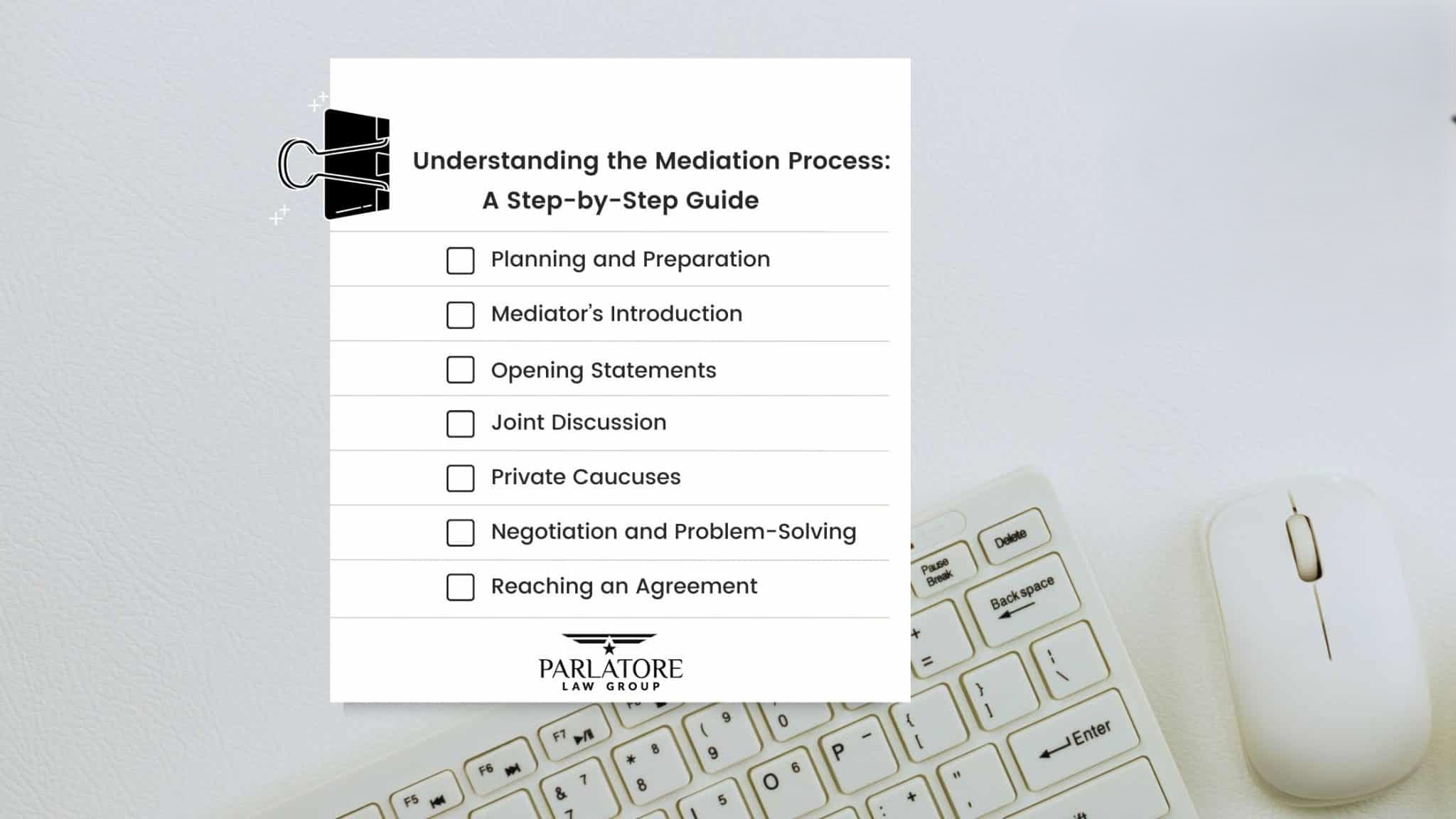
Moreover, understanding the mediation process and what to expect can alleviate anxiety. Participants should familiarize themselves with the mediator's role and the format of the session, which typically involves opening statements, private caucuses, and joint discussions to explore options for resolution.
Common Myths About Mediation
Despite its growing popularity, several myths about mediation persist, which may deter individuals from considering it as a viable option for dispute resolution. One common misconception is that mediation is only suitable for minor disputes, while in reality, it can effectively address complex issues across various contexts.
Another myth is that mediators will take sides or make decisions for the parties involved. In truth, mediators are neutral facilitators who empower parties to make their own informed decisions, fostering a collaborative environment that encourages open communication and understanding.