What to Expect During a Mediation Session
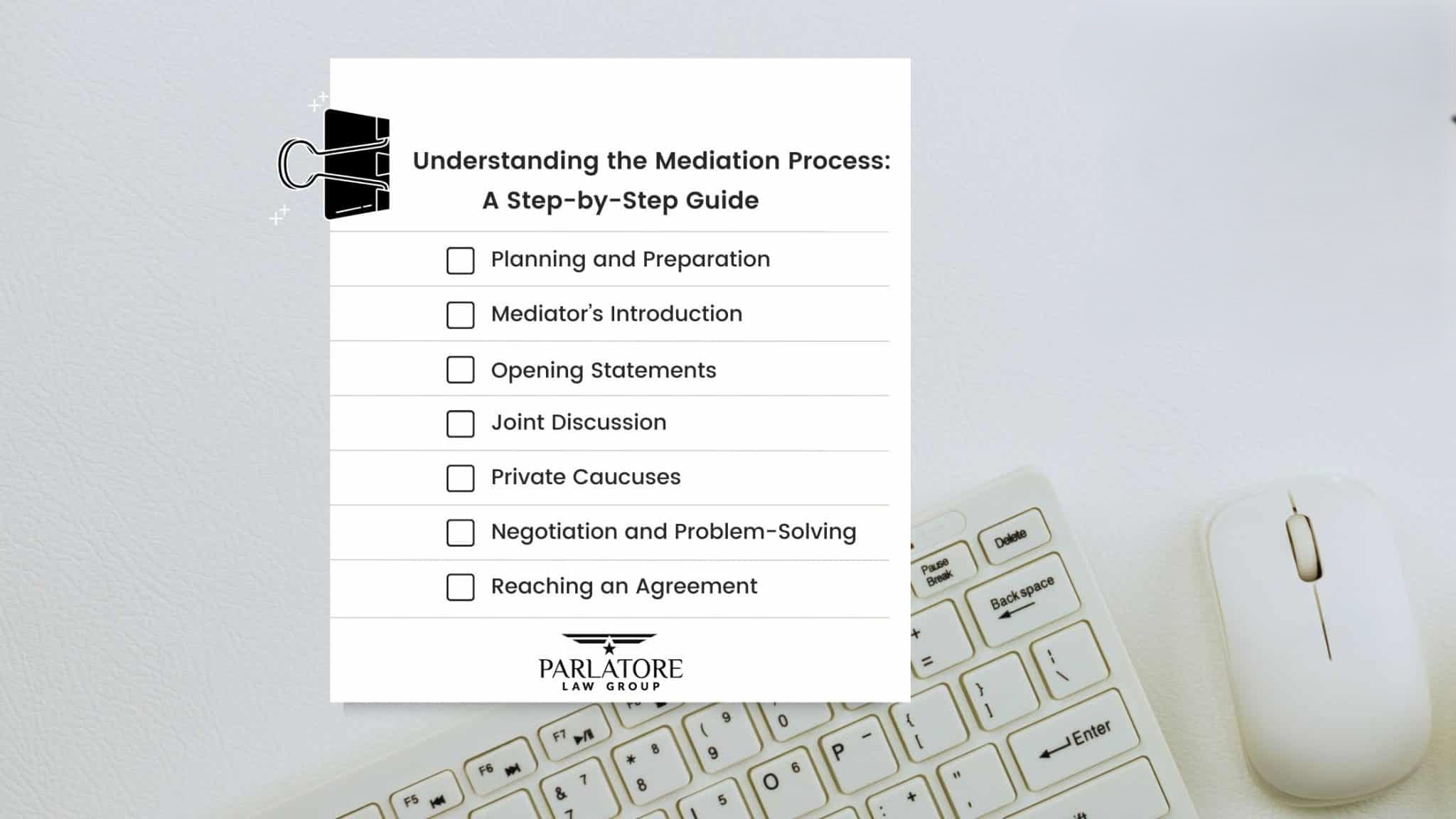
Understanding what happens during a mediation session can help alleviate anxiety for participants. Typically, mediation involves a neutral third-party mediator who facilitates communication between disputing parties, guiding them toward a resolution. The session usually begins with an introduction, where the mediator explains the process, followed by each party sharing their perspective on the dispute.
During the session, the mediator may separate the parties into different rooms to promote open dialogue and encourage negotiation. This format allows individuals to express their concerns freely and explore potential solutions without the pressure of direct confrontation. The mediator's role is to ensure a respectful environment that fosters collaboration and understanding.
Key Skills and Qualities of an Effective Mediator
An effective mediator possesses a unique set of skills and qualities that facilitate successful dispute resolution. Key attributes include strong communication skills, active listening, empathy, and neutrality. These qualities allow mediators to understand the underlying issues and emotions involved in a dispute, ultimately helping parties feel heard and respected.
Additionally, an effective mediator must be skilled in conflict resolution techniques and possess the ability to think creatively to find mutually acceptable solutions. Their training and experience enable them to navigate complex interpersonal dynamics, making them invaluable in guiding parties toward a resolution that satisfies all involved.
Cost Considerations for Mediation Services
Understanding the cost of mediation services is crucial for parties considering this dispute resolution method. Generally, mediation costs are significantly lower than litigation expenses, making it an attractive option for many individuals and businesses. Fees may vary based on the mediator's experience, the complexity of the case, and the duration of the sessions.
It is also important to consider additional costs that might arise, such as venue fees or administrative charges. Many mediators offer flexible payment options, and some may provide sliding scale fees based on financial need, ensuring that mediation remains accessible to a wider audience.
How to Prepare for Your Mediation Session
Preparing for a mediation session can significantly enhance the likelihood of a successful outcome. Parties should begin by gathering relevant documents and evidence that support their position, as well as outlining their goals for the mediation. Being clear about what they hope to achieve can help guide discussions during the session.
Additionally, participants should consider practicing their communication skills, focusing on expressing their thoughts and feelings clearly and respectfully. It can also be beneficial to anticipate the other party's perspective and prepare to discuss potential compromises. This level of preparation can foster a more constructive dialogue and increase the chances of reaching an agreement.